Swimming goggles and e-coli
As the summer begins to taper off into half-hearted sunshine and cooler temperatures, I know I’m not the only person craving a swim before we’re plunged into months of soggy darkness.
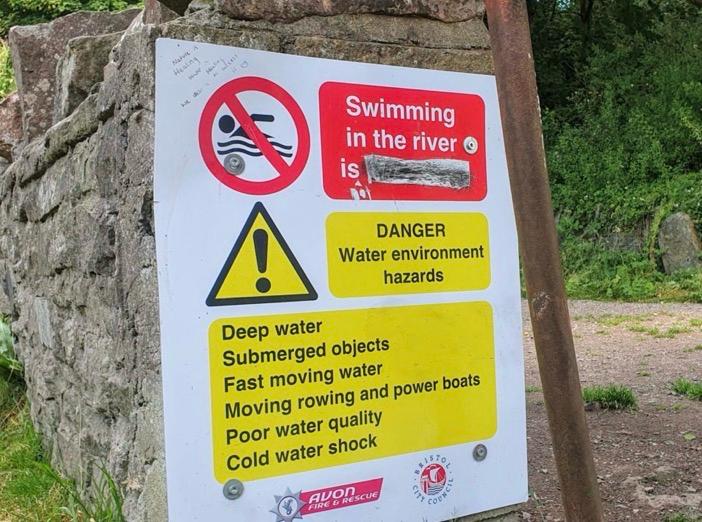
I live in Bristol: a vibrant, green city with rivers so polluted that you can’t risk swimming in them without worrying about emerging with two heads. When I first moved here seven years ago, I would trundle down to Conham River Park with friends after sweaty days at work and proceed to swim amongst the murky, brown weeds, always keeping my head above the surface and pursing my mouth closed, my face tilted in defiance away from the ‘CAUTION’, ‘HAZARD’ and ‘DO NOT SWIM’ signs. I somehow never got ill, but friends of mine weren’t so lucky. Tales of the sickness which followed from ill-timed splashing or crisp eating with wet hands were so extreme and unpleasant that visits to the river became less frequent, before tailing off completely. These days, you’d have to pay my rent for at least a month to get me to take a dip there.
All summer, I have been re-accessing local swimming options. A new initiative down at Bristol Harbour has opened up a small section of the river for swimmers. Named ‘The Floating Harbour’, water quality is apparently tested weekly to ensure that swimmers don’t go home with E. coli. The rules are simple: you must be over 18, and you can only swim at specific times of day, usually weekend mornings. In essence, this is a place for early birds, professionals and the elderly. Their website might as well say: no families, students or shift workers, thank you very much. It’s a step in the right direction, but a way off from meeting the needs of Bristol’s bustling population.
The other nearby option is Clevedon Marine Lake. Beautiful and cinematic during the winter, the tidal “lake” becomes a tepid infinity pool of saltwater and wee over the summer holidays. Although most of us would prefer swimming in children’s urine than raw sewage, this crowded soup isn’t for everyone, and is only accessible from Bristol by car, unless you are happy to spend half your day on a bus. All in all, the options are extremely limited for those without access to transport, time and capacity to drive an hour or two to Stroud, Devon, or over the bridge into Wales. This leads to a situation of sweltering summers where for many, the only reprieves are taking cold showers and dreaming of elsewhere.
During the unprecedented heatwaves of July, I asked my class of Year 4 students about their plans for the summer holidays. There were babbling descriptions of trips, unwatched TV shows and family visits. Something which was almost completely absent was swimming. Memories of my childhood growing up in West Wales are shot through with bursts of pleasure, as the cold, salty seawater shocked me out of my summer stupor and into feelings of intense aliveness. But for these kids? They can’t even go to the local swimming pool without their parents needing to fork out money.
It feels wrong on such a basic level that it’s hard to believe we’ve wound up in this situation. These days, most kids being raised in UK cities and inland towns won’t get to experience the simple human joy of jumping into a river or the sea on a hot summer day, feeling the rush of cold water against sun-warmed skin. We’re failing the next generation on so many fronts, but this stolen right to a universal experience could be easily remedied. Is it too much to ask that our children get to grow up in a world where they can put on their swimming goggles and head to their nearest water source, without worrying about catching E. coli? I don’t know about you, but to me that doesn’t seem like very much to ask at all.
- a guest article from one of our Bristol campaign team